




Walk into any tanning salon or browse indoor tanning products online and you will see the same words repeated over and over: bronzer, accelerator, intensifier, maximiser, tingler. For beginners, that list can feel like pure marketing noise. But there is a useful difference between categories, and if your goal is to build colour steadily on a sunbed without surprise streaks or fake colour transfer, understanding intensifier products is a smart place to start.
A tanning intensifier lotion is designed to support the skin during UV tanning sessions without adding instant bronzing dye. In plain English, it is meant to help your skin tan more efficiently while keeping it hydrated and comfortable, rather than masking the result with cosmetic colour. That makes intensifiers especially popular with people who want a cleaner, more natural-looking indoor tan and prefer to see their real progress session by session.
The catch is that not every intensifier is right for every person. Skin tone, tanning experience, hydration levels, sensitivity, fragrance tolerance, and even how often you use a sunbed can all affect whether a lotion feels brilliant or disappointing. Choosing the wrong formula can leave you underwhelmed, over-fragranced, greasy, or just using more product than you need. Choosing the right one can make your routine easier, more comfortable, and more consistent.
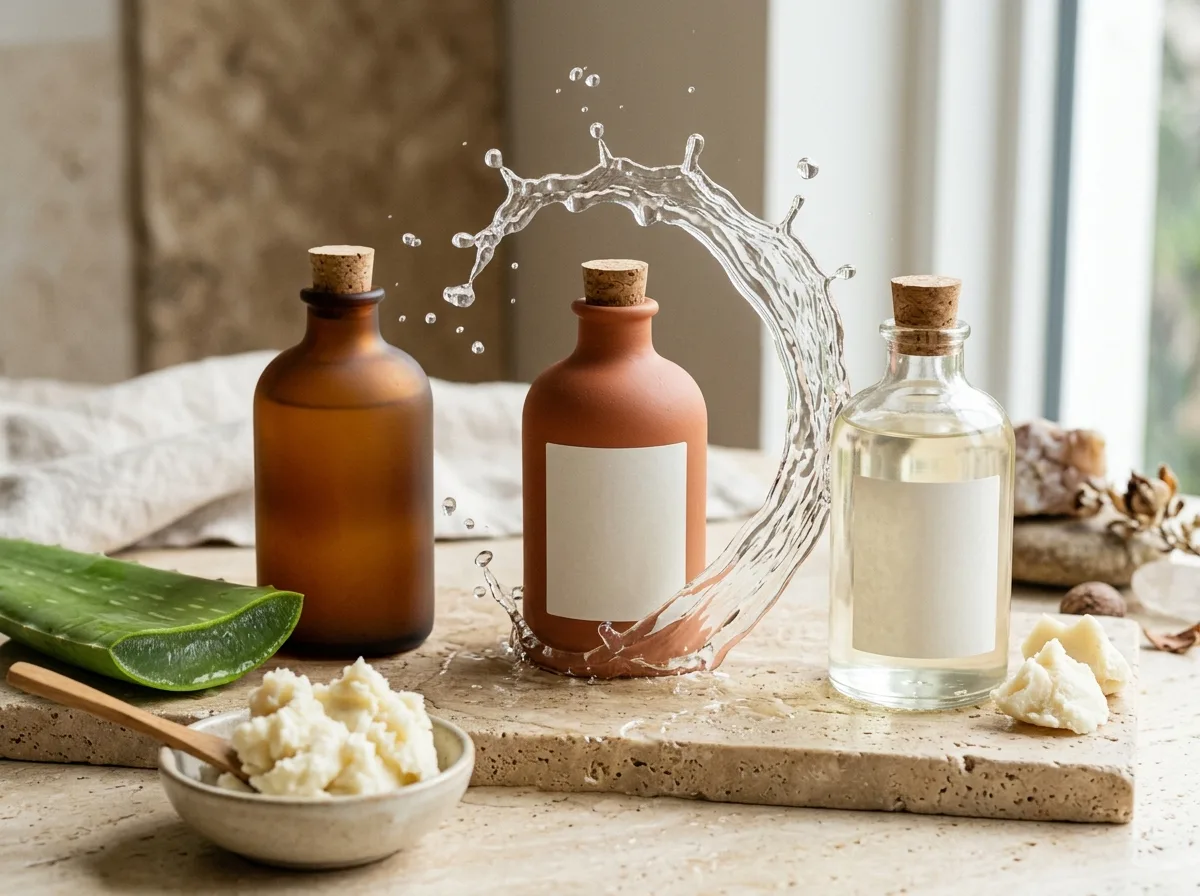
In this guide, we will break down what a tanning intensifier lotion actually does, who it suits best, how to match it to your skin type, and what ingredients are worth paying attention to before you buy. If you have ever stood in front of a shelf of indoor tanning lotions wondering what the difference is, this is the practical version without the fluff.
What is a tanning intensifier lotion?
A tanning intensifier lotion is an indoor tanning product formulated to support the skin during UV exposure while encouraging a deeper, more even tan over time. Unlike bronzing lotions, it does not rely on added colour to create an instant darker appearance. And unlike strong tinglers, it is not trying to trigger a hot, flushed sensation on the skin. Its job is simpler: hydrate well, help the skin feel smooth and conditioned, and support the tanning process with ingredients aimed at improving the look of your natural colour development.
That is why many salon users see intensifiers as the most straightforward category to understand. What you get is usually what you see. If your tan improves, it is because your skin is actually tanning, not because the lotion left behind a wash-off tint. For beginners, that can be reassuring. For regular tanners, it can be useful as part of a stable routine when you want reliable results and less mess.
Most tanning intensifier lotion formulas focus heavily on moisturising ingredients because dry skin does not tend to tan or hold colour as nicely as well-conditioned skin. Hydrated skin often looks smoother, more even, and healthier overall. A good intensifier therefore sits in the overlap between skincare and tanning support, which is exactly why skin type matters so much when choosing one.
Why skin type matters more than hype
The biggest mistake people make is buying a product because the bottle looks impressive or the name sounds powerful. That might work sometimes, but indoor tanning lotions are not one-size-fits-all. Someone with naturally dry skin may need a richer formula with shea butter, aloe, or hyaluronic acid, while someone with oilier skin may hate anything that feels heavy, sticky, or occlusive. A product that gets glowing reviews can still be completely wrong for your skin if it solves a problem you do not have.
Skin type affects comfort during application, how the product settles before and after a tanning session, and how your skin looks in the days between sessions. If your skin feels tight and flaky, you may assume the sunbed is the issue when really your lotion is not hydrating enough. If you break out on your chest or shoulders after indoor tanning, a formula that is too rich or fragranced for you may be part of the problem. Matching the product to your skin type is not overthinking it; it is basic common sense.
It also helps you spend less. Once you know whether you want light hydration, deeper conditioning, fragrance-free simplicity, or salon-style luxury texture, you can ignore half the shelf straight away.
Best intensifier choices for dry skin
If your skin is dry, you should usually prioritise hydration over flashy claims. Dry skin often struggles with rough texture, dullness, and uneven fading, so the best tanning intensifier lotion for you is typically one that behaves like a good body moisturiser first and a tanning support product second. Look for ingredients such as aloe vera, glycerin, squalane, shea butter, cocoa butter, ceramides, or hyaluronic acid. These help attract and hold moisture, soften rough areas, and improve overall skin feel.
A richer intensifier can help elbows, knees, ankles, and shoulders look less patchy, which matters because these areas often show indoor tanning inconsistencies first. If your skin tends to feel thirsty immediately after showering, or if body lotion is already a non-negotiable in your routine, you will probably do better with a creamy or lotion-textured intensifier rather than an ultra-light gel.
Dry skin users should also pay attention to aftercare. Using a good intensifier during a session helps, but maintaining hydration between sessions is what helps your colour look better for longer. If the product line has a matching tan extender or moisturiser and it suits your budget, that can be a sensible pairing.
Best intensifier choices for normal or balanced skin
If your skin is fairly balanced, meaning it is not especially dry, oily, or reactive, you have the widest choice. This is where texture preference matters most. You can focus on how the product feels, smells, absorbs, and layers into your routine. A medium-weight tanning intensifier lotion is usually the sweet spot here because it gives enough hydration to support your sessions without leaving too much residue.
Normal skin users can often choose based on secondary preferences such as fragrance level, whether the formula includes vitamins or botanical extracts, and whether they want a more luxurious salon feel or a simpler, lower-fuss option. This is also the group most likely to experiment with switching between an intensifier and a bronzer depending on the occasion. If you like the look of your true tan and want a consistent baseline product, an intensifier is often the easiest everyday choice.
The key is not to assume that balanced skin means any product will do. Even if your skin is forgiving, a greasy finish, strong perfume, or overly siliconey feel can still make a lotion annoying enough that you stop using it properly. Consistency beats novelty.
Best intensifier choices for oily or breakout-prone skin
People with oilier or blemish-prone skin often avoid tanning lotions because they worry about clogged pores, heavy residue, or a shiny finish. That is a fair concern. The right move here is to look for a lightweight tanning intensifier lotion with a fast-absorbing feel and a cleaner ingredient profile. Gel-creams, light lotions, or formulas marketed as non-greasy are usually a better starting point than very buttery products.
If you tend to break out across the chest, upper back, or shoulders, pay close attention to fragrance intensity and whether the product feels suffocating after application. Heavily perfumed formulas or overly rich oils may not suit you. You may also prefer applying a slightly smaller amount and spreading it very evenly rather than piling on too much product in the hope of tanning faster.
Oily skin still needs hydration. The goal is not to dry the skin out, but to find a formula that moisturises without leaving a thick film. Ingredients like aloe, lightweight humectants, and quick-absorbing emollients can be better friends here than dense butters.
What if your skin is sensitive?
Sensitive skin changes the conversation a bit because comfort and tolerance come first. A tanning intensifier lotion may sound gentle compared with a tingler, but that does not mean every formula is automatically suitable. Sensitivity can be triggered by fragrance, essential oils, preservatives, plant extracts, or even the combination of heat and lotion during a tanning session.
If your skin reacts easily, start with the simplest formula you can find. Fragrance-free or lower-fragrance options are often worth prioritising. Patch testing is also sensible, especially if you have reacted to body care products before. Apply a small amount to a discreet area, wait, and see how your skin behaves before committing to full-body use on tanning day.
It is also wise to avoid confusing an intensifier with a tingler. Tinglers are meant to create a warming or reddening sensation and are not the same thing. If you are sensitive, there is a good chance you will hate that experience. Read product descriptions carefully rather than relying on bottle colour or shelf placement.
How to read the ingredient list without needing a chemistry degree
You do not need to analyse every ingredient like a cosmetic formulator, but you should know what to scan for. Start with hydration and conditioning ingredients. Aloe vera, glycerin, panthenol, sodium hyaluronate, shea butter, jojoba oil, and vitamin E are common signals that a formula is trying to support skin feel and moisture. These do not guarantee results on their own, but they often point in the right direction.
Then consider what you personally avoid. If strong fragrance gives you headaches or irritation, that matters more than trendy exotic extracts listed halfway down the label. If you dislike heavy finishes, look out for lots of dense oils and butters near the top of the list. If you are acne-prone on the body, a simpler product can sometimes outperform a more luxurious one because there is less going on.
Marketing terms can also blur together. “Intensifier”, “accelerator”, and “maximiser” are sometimes used loosely by brands, so it helps to read beyond the front label. Check whether the product contains bronzers, self-tan ingredients, or tingler components. If you want a clean tanning intensifier lotion experience with no cosmetic colour, you need to verify that the formula actually matches that expectation.
How to use a tanning intensifier lotion properly
Even a very good product will disappoint if you use it badly. Start with clean skin free from perfume, deodorant residue where possible, and leftover self-tan. Apply the lotion evenly over the body before your sunbed session, taking extra care around dry spots such as knees, elbows, hands, and ankles. Wash your palms afterwards unless the brand instructions say otherwise, and avoid throwing clothes straight on if the formula needs a minute to settle.
Do not assume that more product equals more tan. Using far too much can make the skin feel coated rather than comfortable. You want even coverage, not a thick slippery layer. And do not skip the rest of your skincare routine between sessions. Indoor tanning products work best as part of a broader skin-conditioning routine, not as a replacement for moisturising altogether.
Consistency is what matters most. If you use an intensifier once and expect a dramatic transformation, you will probably be disappointed. These products are about supporting gradual, smoother colour development over a routine, not performing miracles in one session.
Common mistakes when choosing indoor tanning lotions
One common mistake is buying the darkest-sounding product in the shop because it feels more advanced. Darker branding does not automatically mean better results for your skin. Another is choosing based purely on scent. A lotion can smell amazing and still be wrong for your skin type, texture preference, or tanning goals.
A third mistake is ignoring whether you actually want bronzer-free performance. Some people say they want a natural result but keep buying products with cosmetic bronzers, then wonder why their tan looks different straight after application than it does the next day. If you want honest feedback on your real colour development, a true tanning intensifier lotion is usually the better fit.
Finally, a lot of people expect the lotion alone to do all the work. It cannot override poor session spacing, bad skin prep, dehydration, or overdoing exposure. Product choice matters, but routine matters too.
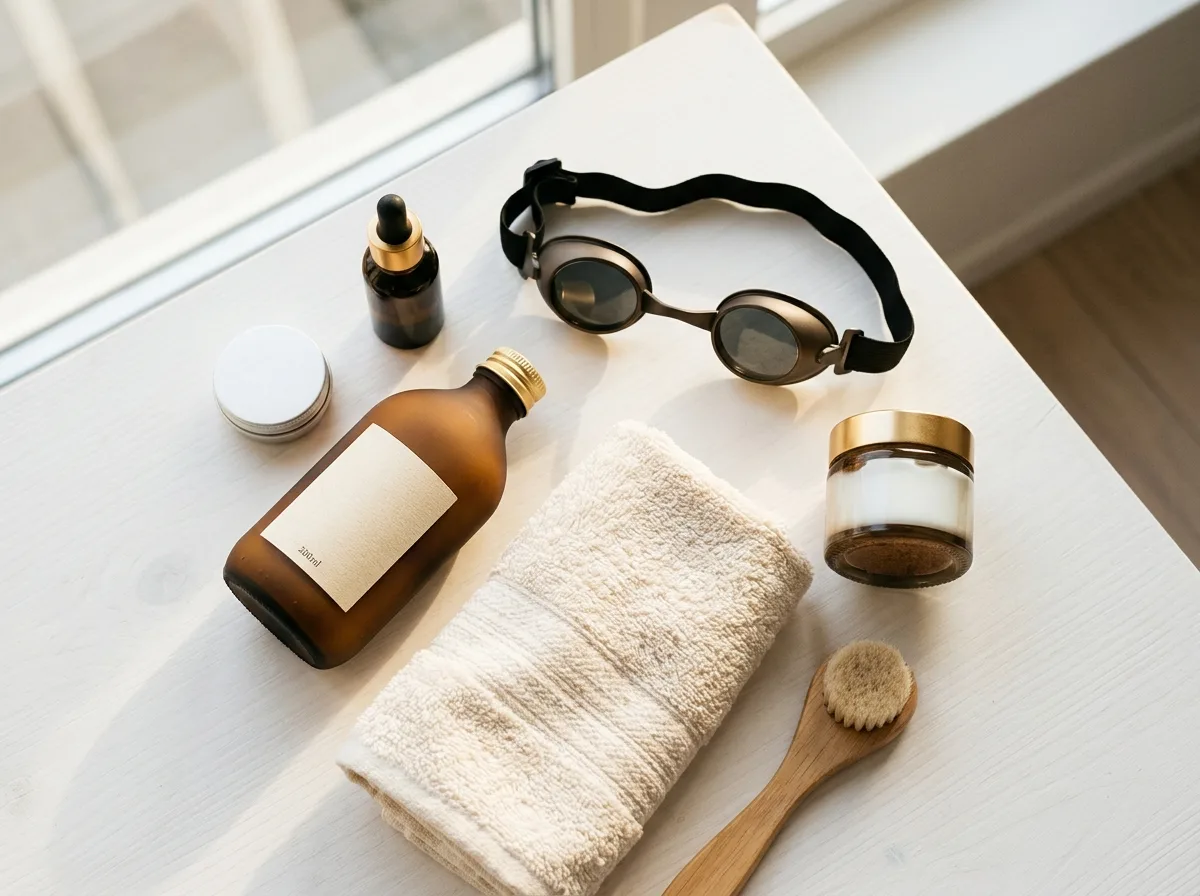
How to make your tan last longer after using an accelerator
Once you have found an intensifier or accelerator that works for your skin, the next step is preserving the colour you build. Hydration is still the main factor. Use a body moisturiser consistently, avoid overly harsh exfoliation right after tanning, and keep showers lukewarm rather than scorching hot where possible. Skin that is well looked after tends to hold a smoother-looking tan for longer.
It also helps to keep your routine predictable. If you jump constantly between products, scrub aggressively, or let your skin get very dry between sessions, your colour can fade in a patchier way. Gentle maintenance is more effective than trying to rescue neglected skin at the last second.
Think of your tanning lotion as one part of the system. The better your aftercare, the more value you get from the product you already paid for.
How to choose between an intensifier, bronzer, and tingler
If you are still unsure whether an intensifier is right for you, compare the categories by outcome. An intensifier is best when you want a natural-looking, bronzer-free result and you care about hydration and real colour development. A bronzer is better when you want immediate cosmetic depth or extra visual payoff. A tingler is a more specialised choice for experienced users who actively want that warming effect and are comfortable with stronger formulas.
For many beginners and plenty of regular tanners, a tanning intensifier lotion is the easiest place to start because it is lower drama. It lets you assess your actual tanning progress, learn how your skin responds, and build confidence in your routine before experimenting with more aggressive categories.
If you already know you dislike fake colour transfer, patchiness from cosmetic bronzers, or the hot sensation of tinglers, the choice gets even easier. An intensifier is probably your lane.
Final thoughts: picking the right intensifier for your skin
The best tanning intensifier lotion is not the most expensive bottle, the darkest packaging, or the one with the loudest promises. It is the one that matches your skin type, feels good enough to use consistently, and supports the kind of indoor tan you actually want. Dry skin usually benefits from richer hydration. Oily or breakout-prone skin usually prefers a lightweight finish. Sensitive skin needs simplicity and caution. Balanced skin has room to choose based on texture and experience.
Once you stop shopping by hype and start shopping by skin behaviour, indoor tanning products get a lot easier to understand. You waste less money, your routine becomes more consistent, and your results usually look better because the product is working with your skin instead of against it.
If you are building a sunbed routine and want a clean, bronzer-free starting point, a well-matched intensifier is one of the most practical products you can own. Pick for your skin, not for the bottle copy, and the decision becomes far less confusing.