If you want colour that lasts, the best after sun routine starts before you even think about tomorrow’s tanning session. A tan fades when your skin gets dry, irritated, overheated, or sheds too quickly. That means the real trick is not chasing more UV every day. It is protecting the colour you already built and keeping your skin calm enough to hold onto it.
Plenty of people work hard for a gorgeous glow, then lose it fast because their post-sun habits are quietly sabotaging them. Hot showers, rough scrubs, alcohol-heavy products, dehydration, and skipping moisturiser can all make a fresh tan look patchy and short lived. The frustrating bit is that most of this is avoidable with a simple routine.
This guide breaks down the best after sun routine to make your tan last longer, whether you tan outdoors, use sunbeds, or combine tanning with an accelerator. The goal is not just deeper colour. It is smoother skin, more even fade, and a glow that looks healthy instead of stressed.
Why tans fade faster than people expect
A natural tan develops when ultraviolet exposure encourages your skin to produce more melanin. That extra pigment helps create the bronzed look people love, but it does not sit still forever. Your skin is constantly renewing itself. As the outer layer dries out and sheds, the visible colour gradually goes with it.
That is why dry skin is the enemy of a long lasting tan. When skin feels tight, flaky, or rough, it tends to shed unevenly. Instead of fading beautifully, your colour can go dull, patchy, and tired. Good aftercare slows that process by supporting the skin barrier and helping your surface cells stay comfortable for longer.
Sun exposure itself can also create hidden problems. Even when you do not feel burnt, heat and dehydration can leave skin stressed. If you ignore that stress and pile on more drying products, you end up shortening the life of your tan. The best after sun routine is really a skin recovery routine that happens to preserve colour.
The best after sun routine starts the minute you come inside
What you do in the first hour after tanning matters more than people think. Skin that has been in the sun or under UV usually needs cooling, hydration, and gentle treatment. If you go straight into a boiling shower, scrub with a gritty body wash, or forget to drink water, you are basically speeding up the fade before your tan has even had a chance to settle.
A smart post-tan routine is simple. Cool down first, cleanse gently, moisturise thoroughly, and keep repeating that hydration over the next few days. You do not need a bathroom shelf full of miracle products. You need consistency, good timing, and formulas that support the skin instead of stripping it.
Step 1: Cool down gently and skip harsh heat
After a tanning session, your skin is often warm and slightly dehydrated. The first job is to bring things back to neutral. Sit in a cooler room, avoid extra direct heat, and give your body a little time before jumping into a shower. If you are flushed, a cool compress can help calm the skin without shocking it.
What you want to avoid is intense heat. Very hot showers, steam rooms, saunas, and even sitting too close to a heater can all pull more moisture out of your skin. That can leave your tan looking less fresh the next day. Lukewarm is your friend if you want your colour to stay smooth and even.
If you have spent the day at the beach, rinse off saltwater and sand as soon as you reasonably can, but keep the water temperature comfortable rather than scalding. Salt and sand left on the skin can be drying, yet aggressive washing is not the answer either. Gentle is the theme from start to finish.
Step 2: Cleanse without stripping your skin
The wrong cleanser can wreck a good tan surprisingly quickly. Foaming body washes with strong fragrance, lots of alcohol, or that squeaky-clean feeling often leave skin drier than it was before. That may feel refreshing for five minutes, but it is terrible for colour retention over the next few days.
Choose a mild body cleanser or creamy shower wash that removes sweat, SPF, and residue without making your skin feel tight. Use your hands or a very soft cloth rather than a rough mitt. This is not the moment for heavy exfoliation. You are cleansing, not sanding down the very skin cells holding your colour.
Keep showers short where possible. Ten minutes under lukewarm water is usually kinder to your tan than a long, hot soak. Baths can be lovely, but prolonged soaking can soften and loosen the outer layer of skin, which means your glow may fade faster than you want.
Step 3: Moisturise while skin is still slightly damp
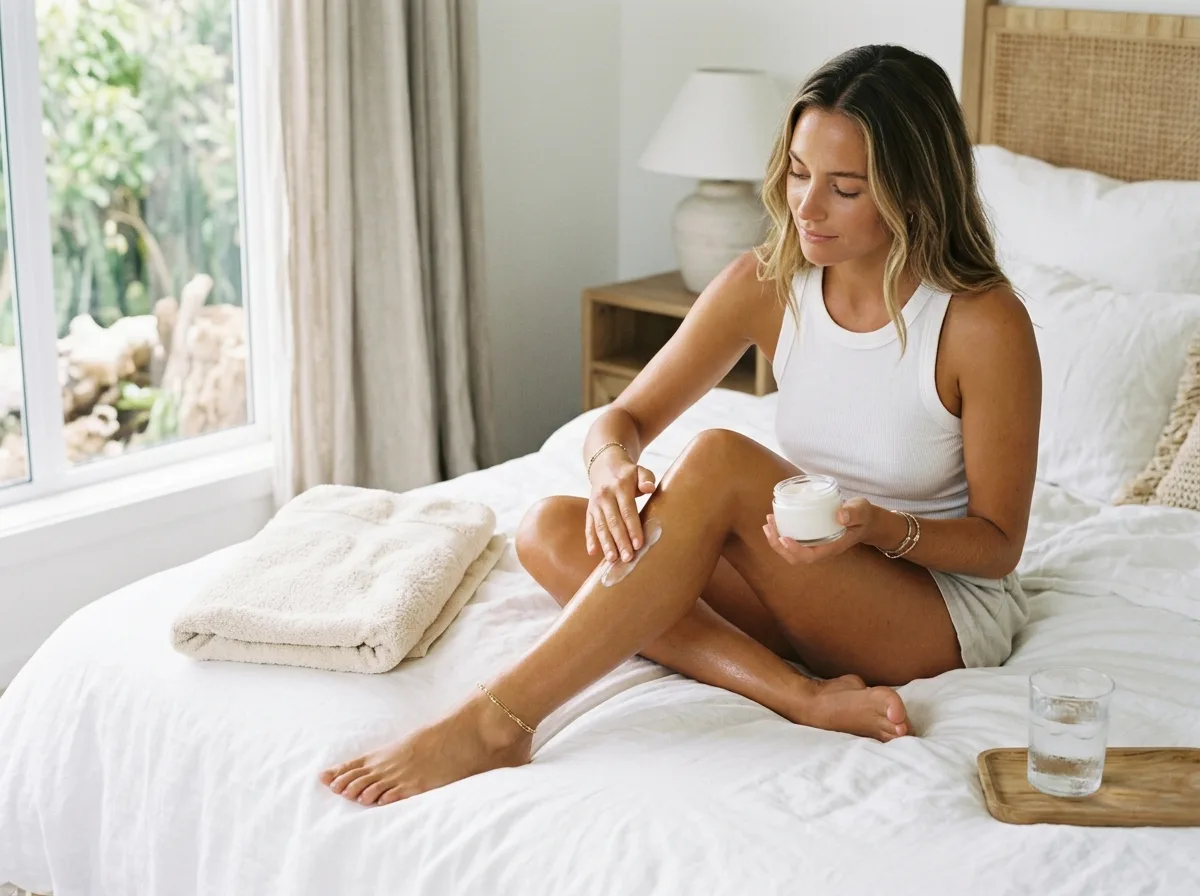
If there is one habit that makes the biggest difference, it is moisturising properly and doing it every single day. The ideal moment is right after a shower when your skin is clean and still slightly damp. That helps trap water in the skin and leaves the surface looking smoother, softer, and more reflective.
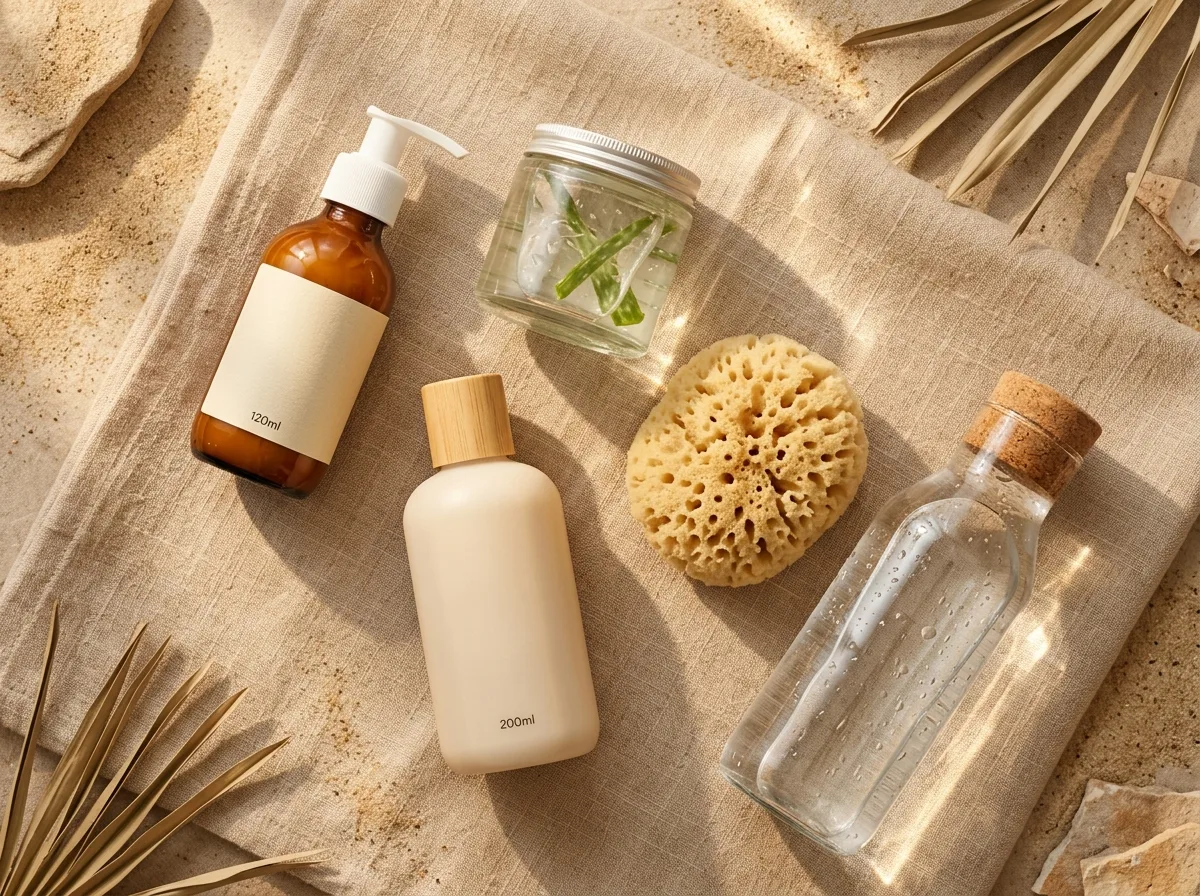
Look for body lotions, creams, or tan extenders with ingredients like aloe vera, glycerin, hyaluronic acid, ceramides, shea butter, or squalane. These support hydration and help reduce the flaky look that makes a tan disappear early. If your skin leans very dry, a richer cream at night can be worth it, especially on elbows, knees, shoulders, and shins.
Application matters too. Do not slap a tiny bit on and call it done. Work it in evenly over your whole body, and pay extra attention to places that dry out fast. When skin stays comfortable, your tan looks richer and fades more gracefully instead of breaking up into dull patches.
Step 4: Drink more water than you think you need
People focus so much on creams that they forget hydration also starts from the inside. Time in the sun, heat, wind, swimming, and travel can all leave you more dehydrated than you realise. Dry, thirsty skin rarely holds onto a tan beautifully.
You do not need to become obsessive, but you should make a point of drinking water consistently after tanning. Add extra fluids if you have been active, sweating, drinking alcohol, or spending hours outdoors. Foods with high water content such as cucumber, watermelon, strawberries, and leafy greens can help too.
This is one of those boring tips that actually works. Skin tends to look plumper and healthier when your hydration is on point, and that healthier look makes your tan appear better for longer. It is not glamorous advice, but it beats watching your colour vanish because you treated your body like a raisin.
Step 5: Exfoliate later, not immediately
Exfoliation has a place in a tanning routine, but timing is everything. Exfoliating before tanning can help create a smoother base. Exfoliating too soon after tanning is a great way to speed up fading and create uneven areas. If your goal is to keep your tan as long as possible, back away from the scrub for a bit.
Give your skin a few days before any intentional exfoliation, and when you do restart, keep it gentle. A mild chemical exfoliant or a soft washcloth is usually kinder than an aggressive gritty scrub. Think maintenance, not demolition.
If your skin starts to fade unevenly after several days, that is the time to gently encourage a smoother turnover and then double down on moisturiser. Doing it on day one or two is usually just throwing away good colour that you worked for.
Step 6: Keep your tan fed between sessions
A long lasting tan is easier to maintain than to rebuild from scratch. That does not mean constant UV exposure. It means supporting your skin between sessions so your existing colour stays polished. Daily moisturiser, good hydration, and sensible shower habits often make a bigger visual difference than chasing another tanning session too quickly.
Some people like using tan extender lotions because they combine hydration with ingredients designed to help the skin look bronzed and cared for between sessions. If you use one, make sure it feels moisturising enough for your skin rather than relying on marketing fluff. Fancy packaging is nice; hydrated skin is nicer.
Your clothes can even play a small role. Very tight, rough fabrics rubbing repeatedly against dry skin may contribute to uneven wear, especially on shoulders, inner arms, and thighs. Soft, breathable clothing after tanning is a small detail that can help keep your skin happier overall.
Common mistakes that fade a tan quickly
The first big mistake is assuming more product always means better results. A harsh peel, a strong acid lotion, or an over-fragranced body wash can do the opposite of what you want. If it leaves your skin stinging, squeaky, or tight, it is probably not helping your tan.
The second mistake is forgetting after-sun care on the days between tanning sessions. Plenty of people moisturise once, feel virtuous, and then never do it again. A tan lasts longer when hydration is consistent, not occasional. Skin needs repeated support, especially if you shower daily or spend time in dry indoor heating or air conditioning.
The third mistake is confusing redness with progress. If your skin is irritated, painful, or burnt, you are not on a smart path to a beautiful tan. You are on a fast path to peeling. Healthy, comfortable skin will always give you better looking colour than angry skin trying to recover.
How to make your tan last longer after using an accelerator
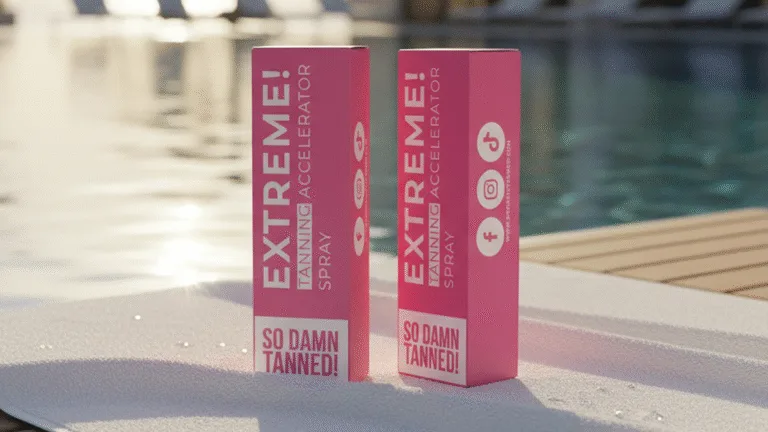
If you use a tanning accelerator, aftercare becomes even more important. Accelerators are usually part of the build-up phase, but they do not replace hydration afterwards. In fact, the smoother and better moisturised your skin is, the more even your colour tends to look once your session is over.
Once you have finished tanning, switch mentally from boosting to preserving. Cleanse gently, apply a nourishing lotion, and keep your skin supple over the next several days. This is the stage where a tan extender or rich moisturiser can earn its place. The goal is to stop dryness from undoing the results you wanted from the accelerator in the first place.
It also helps to avoid the temptation to overdo your next session too soon. Many people see a nice glow developing and immediately want to push for more. A better strategy is to take care of the colour you have, let your skin recover properly, and maintain that bronzed look with good aftercare habits instead of panic tanning.
The simple routine that actually works
If you want the short version, here it is: cool down, shower lukewarm, use a gentle cleanser, pat dry, moisturise while skin is damp, drink water, and keep moisturising every day. Avoid harsh scrubs, very hot water, and anything that leaves your skin feeling stripped. That is the best after sun routine to make your tan last longer in the real world.
It is not complicated, and that is part of why it works. The people who keep a tan looking good are not always the ones doing the most. They are usually the ones doing the basics consistently. Great colour is often less about one dramatic product and more about not making the same avoidable mistakes over and over again.
If your goal is a glow that looks smoother, lasts longer, and fades more evenly, treat your skin like it matters after the tanning session ends. Because it does. Good aftercare is where a nice tan turns into a noticeably better one.