




If your skin always feels tight, flaky or thirsty before a tanning session, you have probably asked the same question as a lot of experienced tanners: is tanning oil for dry skin actually the better choice, or will a good tanning lotion give you a deeper and more even result?
It is an easy question to get wrong because oils look glossy, feel rich and are often marketed as the fastest route to a bronzed glow. Lotions, on the other hand, can sound more practical than exciting. But when dry skin is part of the equation, the best option is not just about shine on the surface. It is about how well the formula supports the skin barrier, how evenly your skin tans, whether the tan lasts, and whether the product is suitable for natural sun, sunbeds or both.
In this guide, we are breaking down the real differences between tanning oils and tanning lotions for dry skin, including absorption, hydration, streak risk, tan longevity and safety. We will also cover when a lightweight oil can make sense, when a tanning accelerator lotion is the smarter pick, and how to avoid that patchy, dull fade dry skin is notorious for.
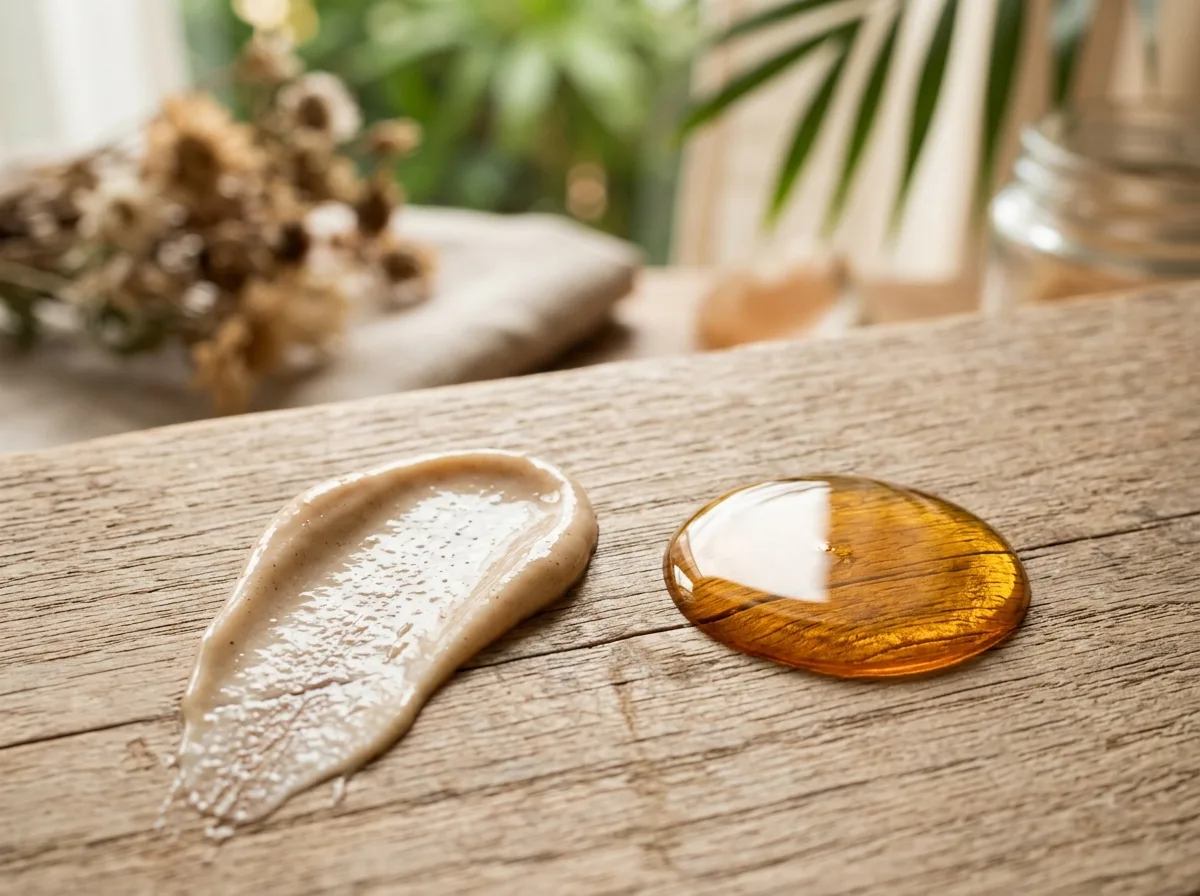
What dry skin changes when you are trying to tan
Dry skin behaves differently from balanced or oilier skin. The surface can be rougher, dead skin cells build up more easily, and product does not always spread as smoothly as you expect. That matters because tanning products and UV exposure both rely on skin condition. When the top layer is dehydrated, your tan can grab unevenly, fade faster and look less radiant overall.
This is one reason why people with dry skin often think they need more oil. Sometimes they do need more nourishment, but not always in the form they expect. The goal is not just to make skin slippery for ten minutes. The goal is to keep it comfortable, flexible and hydrated long enough for the tan to develop evenly and hold onto that colour for longer.
Dry skin also tends to overreact to harsh products, strong fragrance and overexposure. So if you are choosing between a tanning oil and a tanning lotion, the best decision usually comes down to the formula quality, not the marketing label on the bottle.
What tanning oil actually does
Tanning oil is usually designed to add slip, glow and a glossy finish to the skin. Some formulas are classic oils, while others are technically dry oils or oil blends suspended in lighter carriers. Many people love them because they make the skin look instantly smoother and sun-kissed, even before much colour has developed.
For dry skin, a tanning oil can feel comforting at first because it seals the surface and reduces that rough, chalky look. In outdoor tanning, some people prefer the sheen and sensory feel of oil, especially on legs, shoulders and arms. A well-formulated tanning oil may include nourishing ingredients such as coconut oil, argan oil, sunflower seed oil or vitamin E, all of which can help the skin feel softer.
But there is a catch. Oil is not automatically the same thing as hydration. A lot of oils are better at reducing water loss than they are at adding water back into the skin. If your skin is already dehydrated underneath, an oil may sit on top, look nice for a while, and still leave you with an uneven or short-lived tan later. That is why people with chronically dry skin often need humectants and barrier-supportive ingredients, not just a shiny finish.
What tanning lotion does differently
A good tanning lotion is usually better equipped to support dry skin because it can combine multiple jobs in one product. Instead of relying mainly on occlusive oils, lotions can include humectants, emollients and conditioners that help attract moisture, soften rough patches and keep the skin feeling more balanced during tanning.
This matters whether you tan in natural sunlight or use a sunbed. A quality tanning lotion spreads more evenly, sinks in faster and is often less likely to pool around dry patches like elbows, knees and ankles. For people who want a deeper, more even colour rather than a temporary glossy look, that can make a bigger difference than the initial finish on the skin.
Lotions also tend to be more versatile. Some are made specifically as tanning accelerators, which means they are designed to support the skin during UV tanning while also keeping it comfortable and hydrated. On dry skin, that often translates to less patchiness and better colour retention in the days after tanning.
Tanning oil for dry skin vs lotion: the real comparison
When you compare both product types side by side, the answer becomes a lot clearer. Neither one is automatically perfect or useless. The right choice depends on how dry your skin is, where you are tanning and what kind of result you actually want.
Hydration: Lotion usually wins. Most tanning lotions are better at combining water-based hydration with skin-softening ingredients. Oils can help seal the surface, but they often do not give dehydrated skin everything it needs on their own.
Spreadability on rough areas: Lotion usually wins again. Dry skin on knees, elbows and shins often grabs product unevenly. A smoother, more balanced lotion tends to apply more consistently than a heavy oil.
Instant glow: Oil often wins here. If you want that glossy beach look right away, tanning oil gives more surface radiance. That visual glow can be satisfying, but it is not the same thing as a deeper developed tan.
Long-lasting colour: Lotion often comes out ahead because better-hydrated skin tends to hold a tan more evenly. Dry, underprepared skin sheds faster, which can make colour disappear sooner.
Sunbed suitability: Lotion is usually the safer and smarter choice. Many oils are not ideal for salon beds, and some can create issues with acrylic surfaces. A purpose-made acrylic-safe tanning lotion is the better fit.
Control and comfort: Lotion tends to feel more controlled for most people with dry skin. Oils can migrate, feel messy in heat and sometimes leave you feeling coated rather than conditioned.
When tanning oil can still be a good option
There are situations where tanning oil for dry skin can make sense. If your dryness is mild rather than severe, and you mainly want a soft sheen while tanning outdoors, a lightweight oil or dry oil can be enjoyable. It can also work well if you already have a solid skincare routine, meaning your skin is genuinely hydrated before you even reach for the tanning product.
Oil can also be useful as a finishing layer in very specific cases. Some people use a hydrating body lotion first, let it absorb fully, and then apply a small amount of tanning oil to high points like shoulders or legs for cosmetic glow. That is very different from relying on oil alone to do all the heavy lifting for dry skin.
The important caveat is this: oil is not sun protection. If you are tanning outdoors, you still need broad-spectrum SPF when appropriate. A shiny finish is not the same as skin protection, and dry skin that gets overexposed usually ends up more irritated, more dehydrated and less able to hold a nice-looking tan.
When lotion is the better choice for dry skin
If your skin regularly feels flaky, rough, dull or tight after showering, a tanning lotion is usually the better bet. It is also the better option if you want a more even tan, are tanning indoors, or are trying to build colour consistently over time instead of chasing a single intense session.
Dry skin responds well to formulas that contain moisturising ingredients alongside tanning-supportive technology. That is one reason many dedicated tanners prefer premium lotions and accelerators over basic oils. The better the skin feels before, during and after tanning, the more polished the final result tends to look.
For sunbed users in particular, a purpose-made lotion matters even more. Products such as premium accelerators are formulated with salon use in mind, and some are acrylic-safe, which is something you absolutely cannot assume with random body oils. On a site like So Damn Tanned, lotions such as Velvet Vibes are positioned more like treatment-meets-accelerator products than simple slip-and-shine formulas, which is exactly why they make more sense for dry skin tanners who want reliable results.
How ingredients influence the result
Instead of choosing purely by format, look at the ingredient profile. For dry skin, helpful ingredients often include glycerin, aloe, panthenol, urea in appropriate concentrations, vitamin E and richer emollients that soften the skin without leaving it suffocated. These support comfort and help reduce the roughness that makes tans look uneven.
In a tanning oil, you may see plant oils that leave the skin feeling silky, but if there is no meaningful hydration support underneath, the effect may be more cosmetic than functional. In a lotion, you have a better chance of getting a balanced formula that helps with moisture retention, softness and smooth application all at once.
If you are using an accelerator lotion, look for products that talk about hydration, skin conditioning and evenness rather than just speed. Faster is not automatically better if the result ends up patchy. Dry skin usually rewards consistency and care more than aggressive intensity.
Why dry skin often fades a tan faster
One of the biggest frustrations for dry-skinned tanners is that they can develop colour reasonably well, only to watch it disappear unevenly. That happens because dry skin sheds faster and more obviously. When the outer layer is rough and under-moisturised, the tan can flake away in little uneven zones rather than fading smoothly.
This is another reason lotion often beats oil in the long game. A good lotion supports the skin for longer, which means the tan often looks better for longer too. Oil may make the skin look amazing on day one, but if the underlying dryness has not been managed, the glow can collapse faster than expected.
That does not mean oil has no place. It just means dry skin tends to need a strategy, not a shortcut.
Best use cases: outdoor tanning, sunbeds and hybrid routines
For outdoor tanning, the choice depends on your priorities. If you want a soft sheen and your skin is only slightly dry, a lightweight tanning oil can be fine, provided you handle sun protection responsibly. If you want more comfort, more even application and better longevity, lotion is usually stronger.
For sunbeds, lotion is the clear winner. A salon-friendly accelerator designed for tanning equipment is far more practical than a typical oil. It absorbs better, feels cleaner and is more likely to support an even, controlled result.
For a hybrid routine, many people do best with lotion as the main product and oil as an occasional add-on. That might mean using a high-quality tanning lotion for actual tanning sessions, then a body oil later on non-tanning days for cosmetic glow or comfort. Used that way, oil becomes a supporting player rather than the entire plan.
How to choose the right product if your skin is very dry
If your skin is very dry, start by being honest about what you need most. Do you want a shiny finish for one afternoon, or do you want a tan that develops evenly and lasts? Most very dry skin types do better with lotion-first routines because they need structure, hydration and consistency.
Pick a product that feels like skincare as much as tanning support. A premium tanning lotion with moisturising ingredients, smooth texture and good spreadability will usually outperform a basic oil on visibly dry skin. If you are indoor tanning, choose a formula specifically intended for sunbeds and avoid anything that could be messy or unsuitable for equipment.
It is also worth patch testing new products. Dry skin can be more reactive, and irritation never helps the final colour look better.
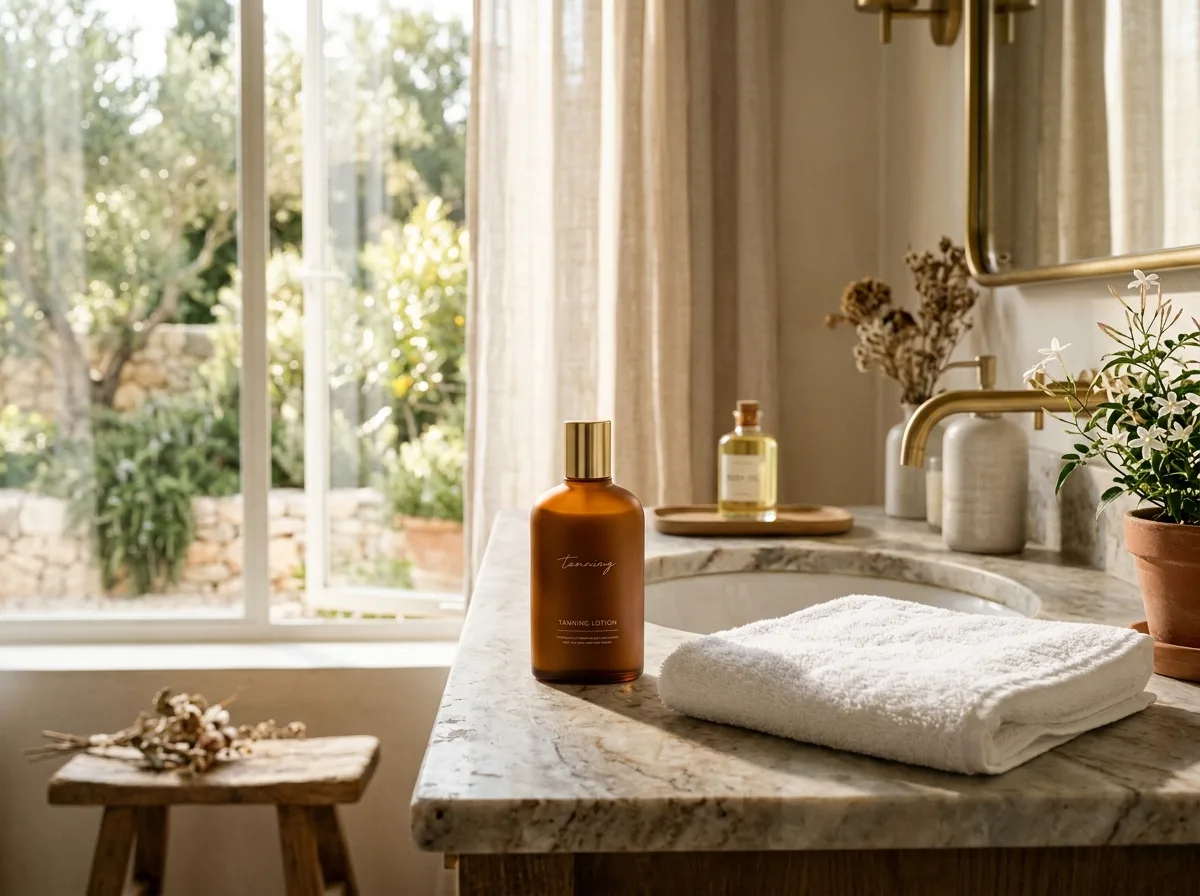
How to make your tan last longer after using an accelerator
No matter which format you prefer, the longevity of your tan depends heavily on what you do before and after the session. Exfoliate gently in the day or two beforehand so dry patches do not hoard product unevenly. Avoid harsh scrubs immediately after tanning. Keep showers lukewarm rather than scorching hot, and moisturise daily with a nourishing body lotion to reduce flaky fade.
If you use an accelerator lotion, keep feeding the skin afterwards. The people who get the best-looking tans are rarely the ones who only think about skin condition on tanning day. They are the ones who keep the skin soft all week long.
Drinking enough water, avoiding over-cleansing and topping up with a simple hydrating body product between tanning sessions can make a surprisingly big difference. Dry skin needs maintenance, not just a one-off hero product.
So which one wins?
If the question is purely cosmetic, tanning oil can win on immediate glow. It looks glossy, feels summery and gives that classic bronzed-body aesthetic. But if the question is which option is better for dry skin, tanning lotion usually wins by a comfortable margin.
It is better at supporting even application, better at reducing patchiness, better for maintaining colour, and usually more practical for sunbeds. For anyone with moderate to very dry skin, a high-quality tanning lotion or tanning accelerator is generally the smarter buy. Oil can still have a place, but more as a stylistic extra than the foundation of the routine.
So if you have been searching for the truth about tanning oil for dry skin, here it is: choose lotion if you want the best overall result, especially for a deeper, more even and longer-lasting tan. Reach for oil when you want extra glow and already have your hydration game sorted. Dry skin is unforgiving, so the product that supports the skin barrier usually ends up supporting the tan too.
Final thoughts on premium tanning accelerators
For dry skin tanners who want reliable results, premium tanning accelerators sit in a sweet spot. They offer more than just slip or shine. They are built to help the skin tan efficiently while staying comfortable, hydrated and visibly smoother. That combination is why so many people move away from basic oils once they start caring about consistency.
If you are tanning indoors, or if you want one product that behaves more like treatment than gimmick, a premium lotion is usually the strongest option. And if you still love the look of oil, you do not necessarily have to ditch it completely. Just stop expecting it to solve every dry-skin problem on its own.
The best tan is not the shiniest one in minute one. It is the one that develops evenly, flatters your skin texture and still looks good days later.